
When the Waste Stream Bites Back: Managing the Rise of Lithium-Ion Battery Fires
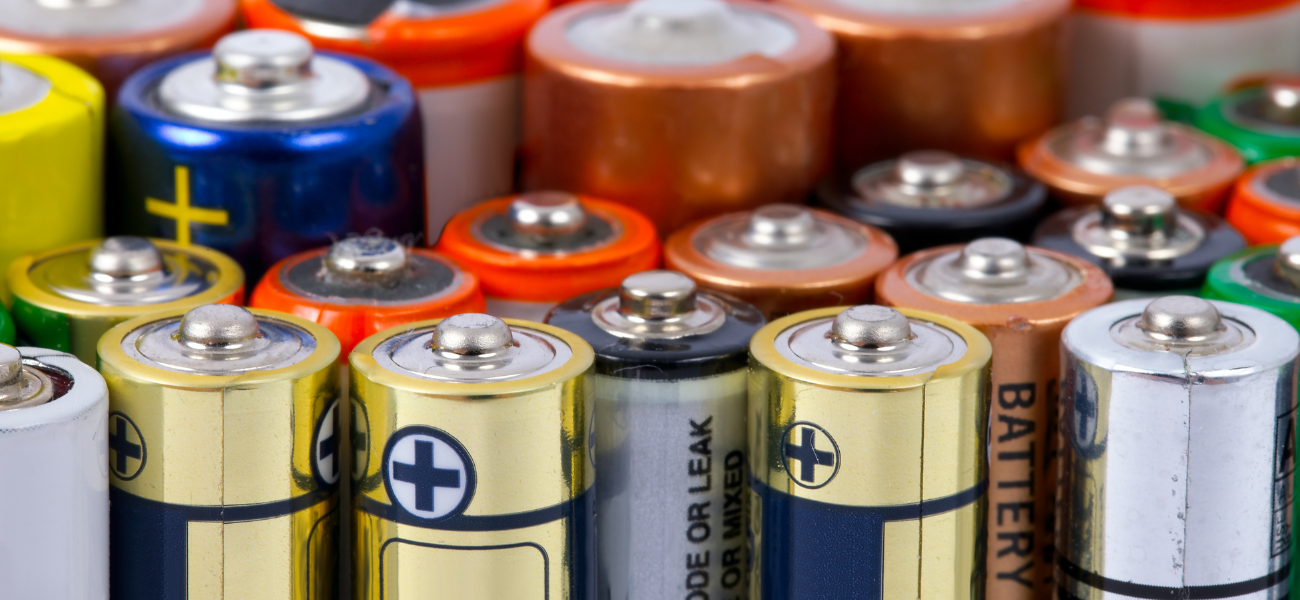
Across the solid waste industry, how fire risk shows up is changing. What used to be driven primarily by hot loads or organic decomposition is now increasingly tied to something far less visible and far more volatile: lithium-ion batteries.
For owners and operators, this is not a fringe issue. It is quickly becoming one of the most persistent operational and safety challenges in the industry.
What Is Driving the Increase?
Lithium-ion batteries are now embedded in everyday items: phones, tools, e-bikes, vapes, even greeting cards. Many are small, difficult to identify, and routinely disposed of in household waste.
Once in the waste stream, routine operations become the trigger:
Compaction in collection trucks
Handling at transfer stations
Crushing and burial at the working face
Damage to a battery can initiate thermal runaway, a rapid, self-sustaining reaction that produces intense heat and fire.
The challenge is structural: there is no reliable way to prevent lithium-ion batteries from entering the waste stream, and once they do, there is no practical way to consistently identify and remove them before they become a hazard.
A Growing Issue - Close to Home
Facilities across the country-urban and rural-are experiencing fires attributed to improperly disposed lithium-ion batteries, including incidents at transfer stations where even small consumer items triggered fires during routine handling.
The takeaway is straightforward: any operation handling municipal solid waste is exposed to the risk of fires, operational disruption, and safety incidents tied to lithium-ion batteries.
Operational Controls That Actually Move the Needle
Technology helps. Training helps. But in practice, fires are won or lost in how operations are managed minute-to-minute. That shows up most clearly across three areas: collection, transfer, and disposal.
Collection: Control the First Point of Contact
Collection is often where ignition begins. You cannot prevent batteries from entering the waste stream, but you can control how they are handled once they are in the truck.
Key principles:
Train drivers to recognize early warning signs
Smoke, popping sounds, chemical odors, or unusual heat in the hopper are early indicators.Stop and control, not continue operations
If a fire is suspected, stop compaction immediately. Continuing to pack the load increases the likelihood of ignition and escalation.Establish designated offload locations
Drivers should know exactly where to safely dump a suspect or burning load. This should not be decided in the moment.Equip trucks appropriately
Fire extinguishers should be available to help control and prevent spread to adjacent materials, with the understanding that lithium-ion fires may not be fully suppressed and may require isolation and monitoring.Minimize Time in the Truck
Move questionable loads quickly to controlled environments (transfer station or landfill), where they can be managed.Communicate in real time
Early notification to supervisors and receiving facilities allows preparation and reduces risk on arrival.
Landfills: Discipline at the Working Face
If there is one place to focus, it is here.
Key principles:
Keep the working face tight
A wide, loose working face gives a fire room to breathe and spread. Tight footprints limit oxygen and allow faster response.Cover daily and be ready to cover immediately
This is not just regulatory; it is fire control. A quick “feather” of soil can smother an ignition before it becomes an incident. If you cannot cover it immediately, you are already behind the fire.Maintain sufficient soil stockpiles at all times
Not “enough for today” - enough to cover the entire working face immediately if needed. When a fire starts, you do not have time to go find dirt.Compact and move quickly
Minimize exposed waste. The longer waste sits loose, the greater the opportunity for ignition.Designate and maintain a “hot load” area
A pre-identified, easily accessible area for isolating burning or suspect loads allows operators to respond quickly without disrupting the working face or spreading risk.Train operators as your first responders
Your dozer operator is often the first, and best, line of defense.
Transfer Stations: Control the Floor
Transfer stations are high-risk because waste is concentrated and frequently handled.
Best practices:
Keep tipping floors tight and controlled
Avoid large, unmanaged piles where heat can build unnoticed.No overnight waste on the floor
Fires need time and oxygen. Remove both.Push, load, and move material quickly
Reduce dwell time and repeated handling.Designate and maintain a “hot load” area
A clearly defined location outside of main waste handling areas allows for immediate isolation and management of smoking or burning loads.Train for immediate isolation
If a load is smoking, it needs to be moved and managed immediately, not blended into the pile.
Detection Technology: Helpful, Not a Substitute
Many facilities are adding:
Thermal imaging cameras
AI-based fire detection systems
Real-time alert platforms
These systems are valuable, especially for early detection on tipping floors and at the working face.
But the reality is:
Detection systems do not control fires: operations do.
Technology is your early warning system. Operations are your control system.
Landfill Preparedness: What to Do When It Happens (Because It Will)
Act immediately – isolate, spread, and cover
Use soil as a primary control tool – smothering is often more effective than chasing flames
Own the response and use outside support strategically.
Your team is best equipped to control landfill fires through site operations. Fire departments can provide important support, but response should be led and coordinated by site personnel.
Plan for re-ignition – lithium-ion fires do not behave like traditional fires
The goal is not to eliminate fires. It is to control them.
Industry Efforts: Getting Batteries Out of the Waste Stream
Two major industry groups are pushing hard on this issue:
Solid Waste Association of North America
National Waste & Recycling Association
Key initiatives:
“Skip the Bin” campaign (national awareness effort)
Battery recycling guidance and toolkits
Advocacy for extended producer responsibility (EPR) laws
Facility safety guidance documents
Georgia does not currently have comprehensive extended producer responsibility (EPR) requirements for batteries, but several local and statewide efforts are helping address the issue.
Additional guidance and public outreach materials are available through:
SWANA battery resources: https://firerover.com/swana-partnership/
NWRA battery fire resources: https://batterysafetynow.org/
Local government outreach campaigns aimed at keeping batteries out of the waste stream (e.g., Athens-Clarke County Batteries Go Boom)
Keep Georgia Beautiful Foundation affiliates (e.g., Keep Newton Beautiful) promoting battery recycling and HHW programs
Household hazardous waste (HHW) events and permanent drop-off programs
Call2Recycle drop-off network, widely available at retailers across the state
Georgia Recycling Coalition outreach and education initiatives supporting proper battery disposal
These efforts are largely voluntary and education-driven, placing greater emphasis on operational controls at facilities to manage the risk.
Closing Thought
Lithium-ion batteries have quietly changed the risk profile of solid waste operations.
They are small, common, and easy to overlook, but when conditions are right, they introduce a level of volatility the industry has not historically had to manage at this scale.
The question is no longer if this risk exists at your facility. It is how prepared you are when it shows up.