
What the Best Solid Waste Departments Do Differently
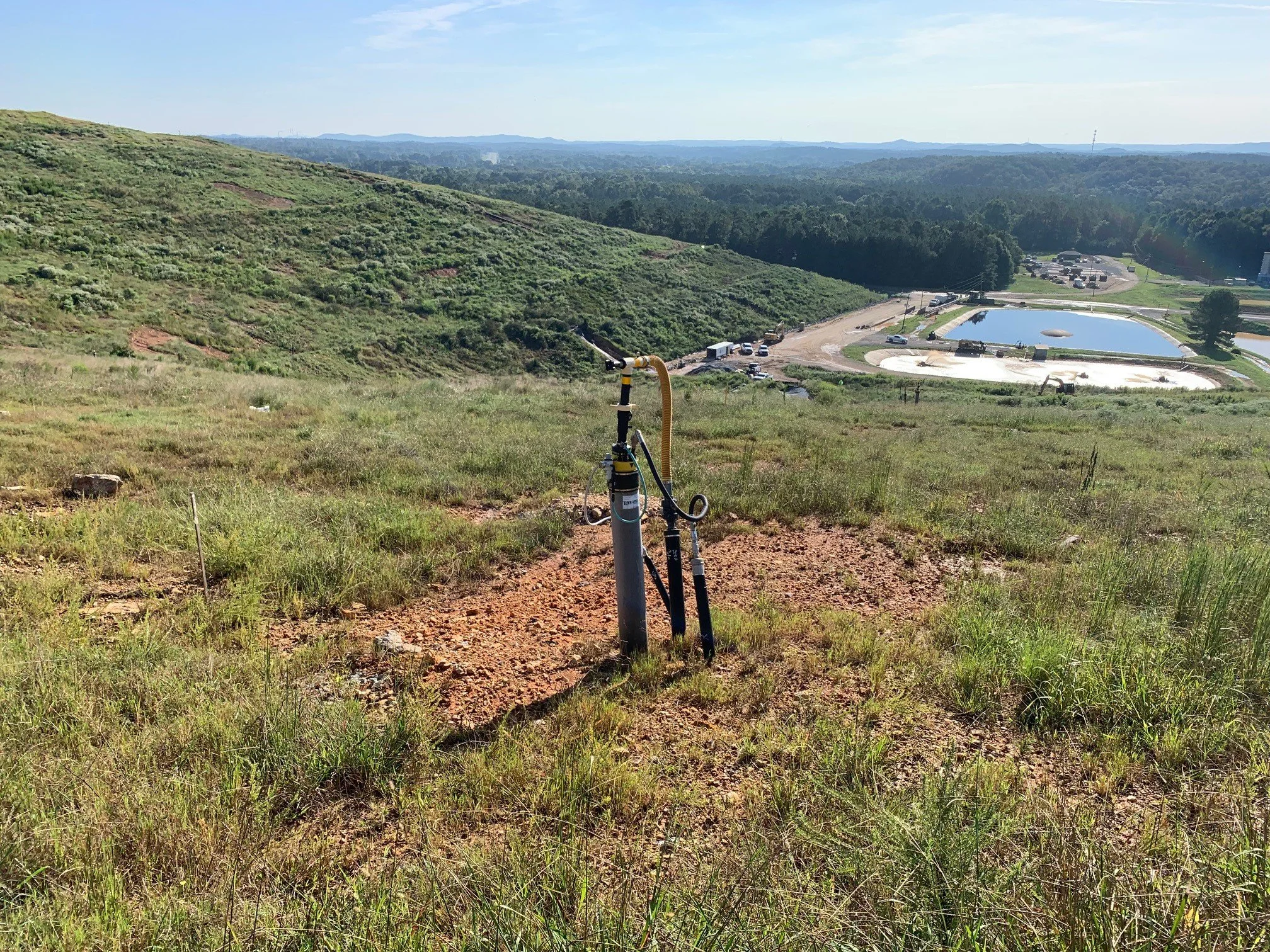
Every solid waste department faces pressure. Waste volumes change. Equipment ages. Regulations evolve. Airspace gets used. Budgets compete with other community priorities. The difference between a reactive operation and a resilient one often comes down to how early, consistently and deliberately those pressures are managed.
The strongest departments do not treat the landfill as a place to simply receive waste. They treat it as long-term public infrastructure that has to be planned, funded, operated and protected over time.
That mindset usually starts with leadership. Well-run local governments tend to have stable leadership at the council or commission level, along with talented top management. They understand that being good stewards of the community and taxpayer contributions is not just a message. It shows up in how they budget, operate, plan and serve customers.
When a landfill is managed well, it supports residents, businesses, growth, environmental compliance and long-term community needs. When it is managed reactively, the pressure can show up in budgets, operations, customer service, regulatory pressure and future capacity.
They run solid waste like a utility
The best solid waste departments are often managed with the same discipline communities expect from other essential services, such as water, wastewater and power. Those services are treated as non-negotiable because people notice quickly when they fail. Power outages make headlines. Water quality issues trigger advisories. Sewer failures demand immediate response.
Modern solid waste operations have become essential infrastructure for communities that are growing, serving more customers and managing more complex environmental responsibilities. They support residents, businesses, public health, economic activity and compliance every day. The impact may not always be as immediate or visible as a power outage or boil water advisory, but a well-run solid waste system is one of the services modern communities depend on to keep functioning.
Some solid waste systems operate through enterprise funds, a structure that creates a clearer connection between service, cost and long-term financial responsibility. Whether the funding model is an enterprise fund, general fund support or another local approach, the strongest departments understand what it costs to provide reliable service and plan accordingly.
They know their costs, understand incoming waste levels and manage volumes in a way that supports economies of scale. They also plan for the capital projects and equipment needed to keep serving customers. They are not waiting for something to fail before deciding what comes next. They are looking ahead and treating solid waste as both a public service and a business operation.
That discipline requires support from administration and elected leadership. When that support or strong management is missing, the operation can become reactive instead of prepared.
They show discipline in the details
The best solid waste departments take pride in environmental compliance, as well as how the facility looks, functions, and serves customers. That may seem simple, but it says a lot. A clean, organized, well-maintained landfill reflects discipline. Compliance, appearance and operational quality are connected. Together they build confidence with customers, regulators, elected officials and the public. It’s not just about trying to meet minimum requirements, it’s about genuinely showing that they care about running the facility well.
That pride also shows up in customer service. Commercial haulers, residents and other users experience how well the facility is managed. The best departments work to minimize the time it takes to get in and out of the landfill by maintaining access roads, managing traffic flow and keeping the site efficient and safe. A landfill may not look like a traditional customer service environment, but every person who comes through the gate sees whether the operation is organized, responsive and respected.
They manage airspace and operations with discipline
Airspace is one of a landfill’s most valuable assets. Once it is used, it is gone. That makes daily operations important.
High-performing departments monitor in-place waste densities to help make sure expensive airspace is used efficiently. They understand that how waste is placed, compacted and covered affects the long-term life of the facility. They also plan for operational issues that can affect performance, including leachate management. Operators can help reduce leachate production by filling waste areas thoughtfully and using daily and intermediate cover appropriately. Those same cover practices can help manage site conditions and reduce the risk of fires.
These are practical operational decisions, but over time, they can have a major impact on capacity, cost and risk.
They keep planning and learning
Strong departments do not operate in isolation. They hold annual planning meetings. They stay active in solid waste associations. They learn what other communities are doing. They pay attention to new technologies that may improve operations.
They also stay current on regulatory changes that may affect the facility. More importantly, they plan for how they may need to operate differently to meet those requirements. Knowing a regulation is changing is one thing. Preparing the operation for that change is another.
The best departments make that preparation part of the way they do business.
They look farther ahead
Every community eventually faces the same question: How will we meet our solid waste needs 10, 20 or even 30 years from now? That answer takes time.
In Georgia, that question is becoming more urgent. According to U.S. Census Bureau estimates, the state added nearly 589,000 residents between April 1, 2020, and July 1, 2025. Population growth brings more homes, more businesses, more infrastructure demands and more waste to manage. In many cases, communities can grow faster than the permitting process can move.
Permitting an expansion can take years. Siting a new facility can take even longer. Equipment has to be replaced. Airspace has to be protected. Regulatory expectations continue to evolve.
The strongest communities do not wait until those decisions become urgent. They start early. They evaluate options. They understand the tradeoffs. And they make decisions with enough time to protect service, manage costs and maintain flexibility.
That is what separates reactive operations from resilient ones.
A well-run landfill is not just a facility. It is a community asset and a long-term infrastructure that supports growth, protects public health and gives a community more control over its future.
The communities that manage it that way are usually better prepared for what comes next because they are already doing the work today.