
Top 10 Steps for Being Inspection Ready
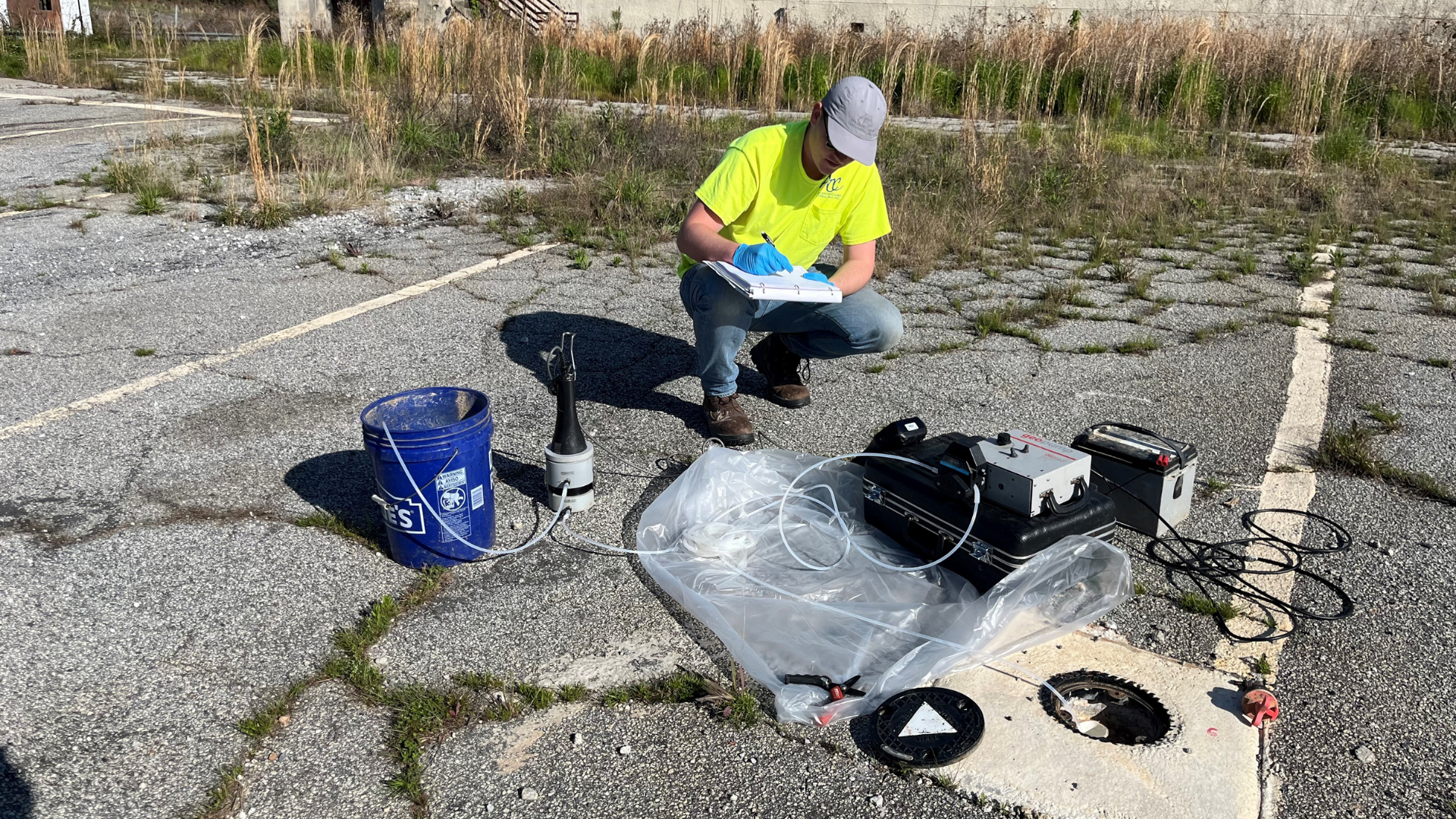
An inspection should never be the first time you evaluate how your facility is operating.
The best-run landfills and solid waste facilities treat inspection readiness as part of everyday operations. Documentation is current. Housekeeping is consistent. Employees know their responsibilities. Records are easy to find.
When those habits are in place, inspections become much less disruptive.
Here are ten practical ways to stay inspection-ready throughout the year.
1. Don't Prepare. Stay Prepared.
Inspection readiness isn't something that starts when you hear regulators are on the way. It should be built into daily operations through regular maintenance, along with documentation and routine reviews. Facilities that stay ready spend less time scrambling and more time demonstrating the work they're already doing.
2. It Didn’t Happen if it’s Not Documented.
Good work only goes so far if you can't prove it.
Keep inspection records, monitoring data, maintenance logs, training records, and corrective actions organized and up to date. Complete documentation gives inspectors confidence that your compliance program is working as intended.
3. Know Your Permit.
Your permit isn't just a document that sits in a file cabinet. It's something key employees should understand so they can apply it to their daily responsibilities. This includes how often they inspect, operating procedures, monitoring requirements, and reporting responsibilities. When everyone understands the expectations, compliance becomes part of normal operations.
4. Don't Overlook the Small Stuff.
First impressions matter a lot. When you have garbage around the property, damaged fencing, faded signs, poor erosion control, or overgrown greenery, might seem small, but they reflect how a facility is managed. Regular housekeeping shows attention to detail long before anyone reviews your records.
5. Find Issues Before the Inspector Does.
Routine internal inspections are one of the best ways to identify potential problems early.
Regular site walks help identify maintenance needs, operational concerns, and documentation gaps before they become inspection findings. Small issues are almost always easier to correct when they're found early.
6. Document Your Corrective Actions.
Fixing an issue is only part of the process. You should keep records that show what was identified, when it was corrected, who completed the work, and any follow-up information that was required. Having clear documentation shows that your facility actively manages compliance rather than simply reacting to problems.
7. Keep Your Team Ready.
Inspection readiness is really a team effort. Employees should understand their responsibilities and know where important records are stored. They should recognize routine compliance tasks, and understand emergency procedures. Regular training and regular reviews help ensure everyone is prepared when questions arise.
8. Organize Information Before You Need It.
There are a few things that slow an inspection down faster than searching for paperwork. Create a consistent system for organizing permits, inspection reports, monitoring records, training documentation, and maintenance logs, because when information is easy to access, inspections move more efficiently for everyone involved.
9. Build Relationships Throughout the Year.
Communication with regulators shouldn't begin when an inspection is scheduled. Professional, transparent contact throughout the year helps build trust and creates opportunities to address questions before they become larger problems. Strong working relationships helps everyone involved.
10. View Every Inspection as an Opportunity.
A successful inspection is an opportunity to show strong operations, validate the systems you've put in place, and identify areas where your program can continue to improve. Every inspection provides valuable feedback that can strengthen your operation moving forward.
Consistency Makes the Difference
The best inspections are the ones that reflect a well-managed operation. Facilities that prioritize organization, documentation, communication, employee training, and proactive maintenance are better prepared to navigate inspections with confidence.
Inspection readiness is about facility habits that support safe, compliant, and efficient operations every day of the year.